
The ALROUF Blog
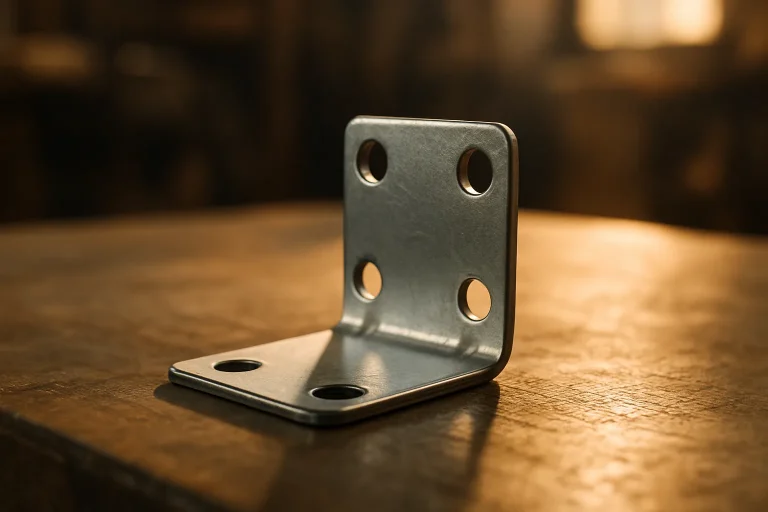
Part Family Capacity Planning for Dammam Plants
Shift from part qualification to volume assurance: a factory-floor guide to takt time, bottleneck sequencing, and capacity planning for offloaded component families…
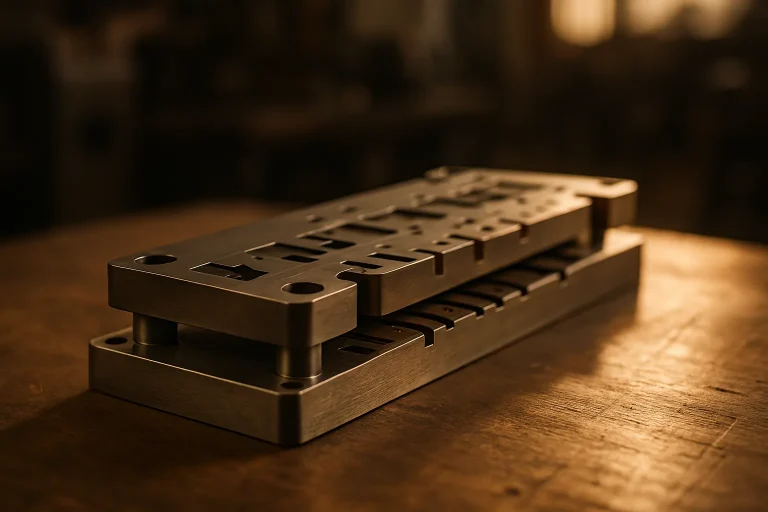
Verifying Supplier Capacity for Saudi Localization
How procurement teams verify a Saudi stamping or molding source can hold OEM volume before award—press tonnage, machine hours, tooling slots, and…
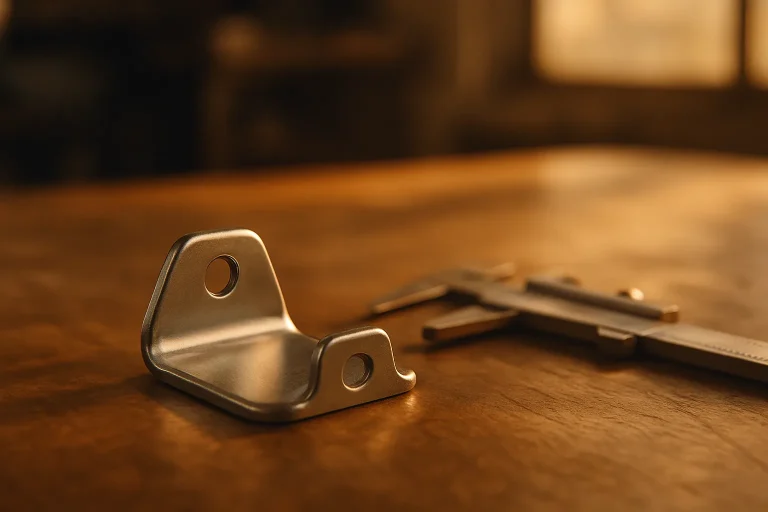
Contract Manufacturing Services
A practical RFQ checklist for industrial buyers: drawings, materials, tolerances, tooling ownership, inspection, and delivery. Localize with confidence.
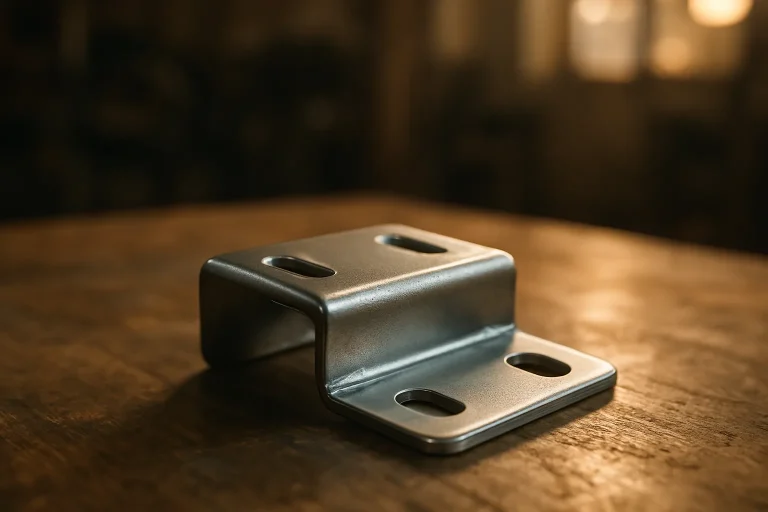
Single-Source Risk Map for Imported Parts
A Dammam sourcing manager's method for mapping single-source and import exposure across a component portfolio, then sequencing localization.
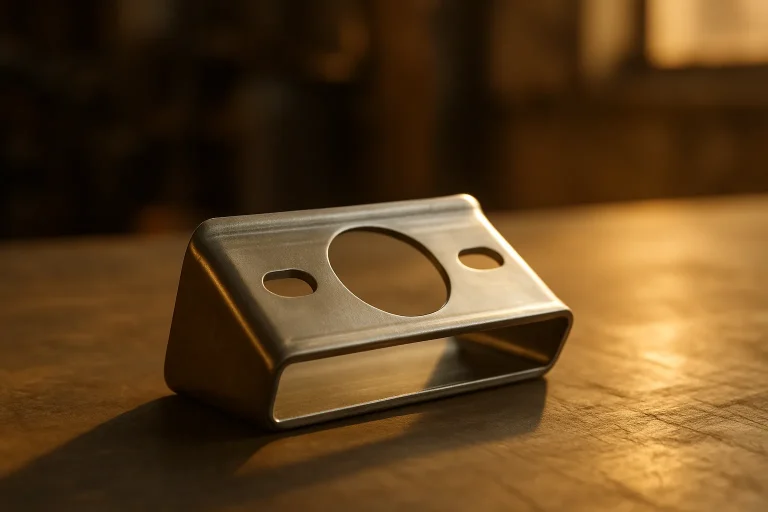
Phased Localization Plan for Imported Components
A phase-gated roadmap for OEM procurement leads to reduce import dependence components Saudi Arabia without disrupting line supply.
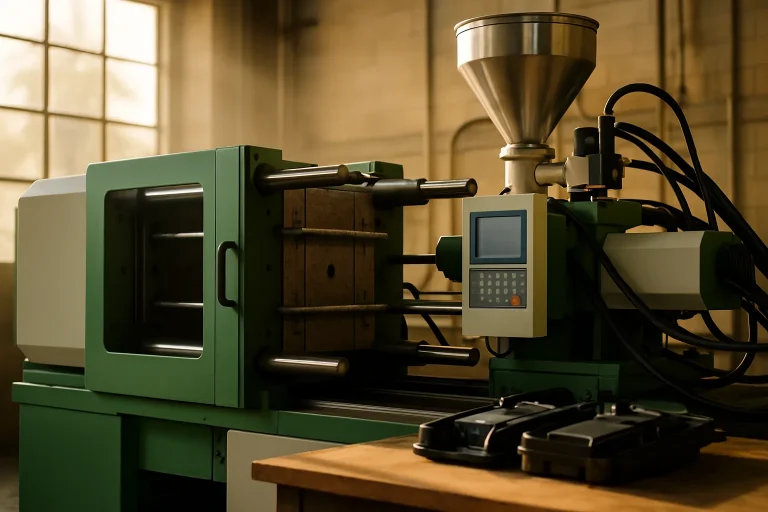
Injection Molding Machine Selection for OEM Parts
How OEMs specify tonnage, clamp force, and process windows for in-Kingdom injection molding—and validate before full-volume localization.
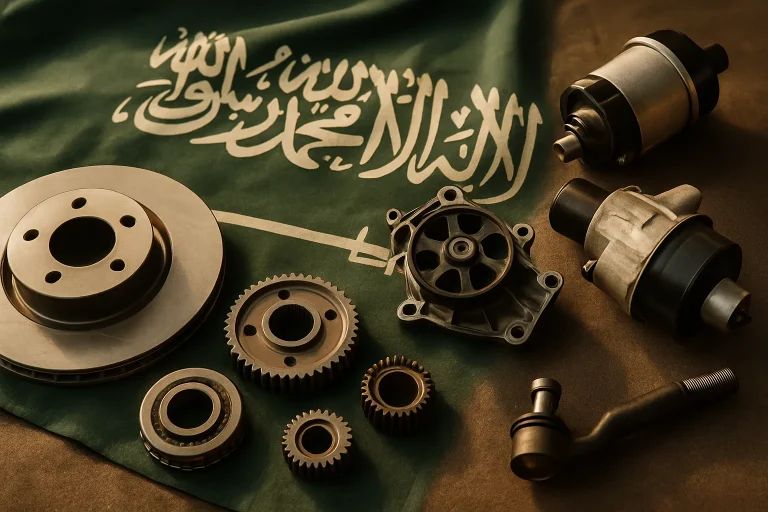
In-Kingdom vs. Imported Parts: OEM Cost Case
A total-cost and risk framework for Saudi OEM procurement teams evaluating in-Kingdom component sourcing versus imports.
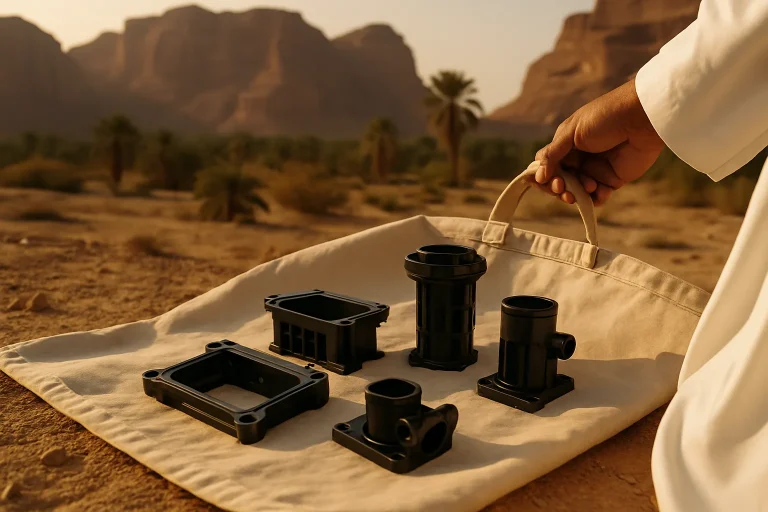
Protecting Localized Components from Saudi Climate
Heat, dust, and humidity degrade localized metal and plastic components. Specify materials and finishes at localization to avoid field failures.
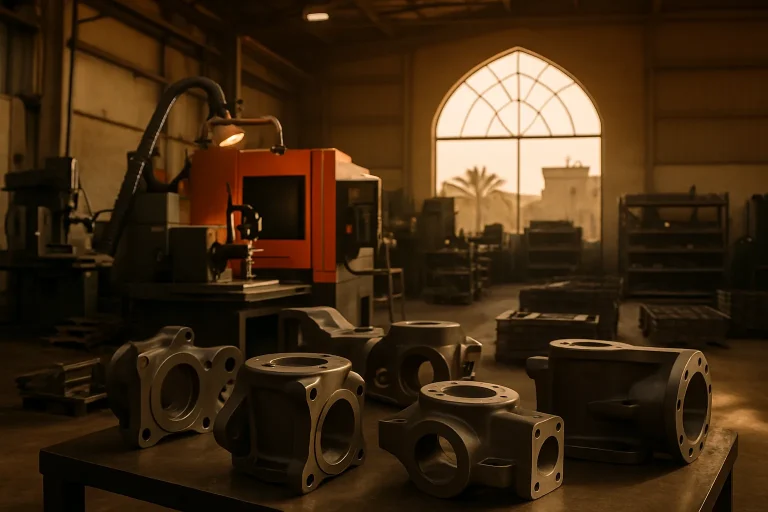
Secondary Operations for Localized Parts in KSA
Secondary operations and sub-assembly determine whether a localized part is truly in-Kingdom. Learn how to specify, sequence, and validate them at OEM…
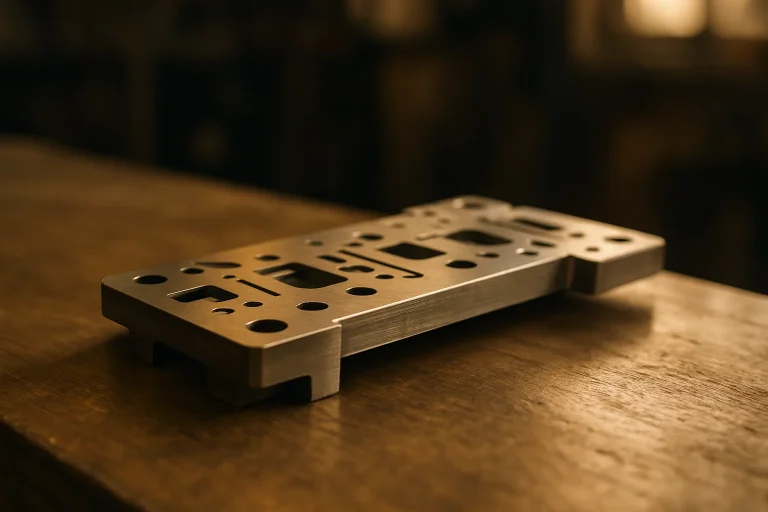
Progressive Die vs Tandem Stamping for Saudi OEMs
Choosing between progressive die stamping and tandem line stamping for high-volume Saudi OEM component localization: a technical decision guide.